History
Origins and Debut:

The story of Donkey Kong begins in 1981 when Japanese video game designer Shigeru Miyamoto created the arcade game "Donkey Kong." In this game, the gorilla Donkey Kong kidnaps Jumpman's (later known as Mario) girlfriend, Pauline. This game marked the start of one of Nintendo's most iconic franchises.
Donkey Kong Jr. and Role Reversal:

In 1982, "Donkey Kong Jr." was released, a sequel where the roles are reversed. Donkey Kong is captured, and his son, Donkey Kong Jr., must rescue him. This game showed that the franchise could expand with new characters and concepts.
The Evolution of Donkey Kong Country:

In 1994, Rare developed "Donkey Kong Country" for the Super Nintendo Entertainment System (SNES). This groundbreaking game featured pre-rendered 3D graphics, an impressive feat at that time. Donkey Kong and Diddy Kong embark on an adventure to reclaim their stolen treasure. The game was a major success and established Donkey Kong as a key Nintendo character.
New Characters and Adventures:

Diddy Kong and Dixie Kong: The "Donkey Kong Country" series introduced new playable characters, such as Diddy Kong and Dixie Kong, each with unique abilities. King K. Rool: The main antagonist of the series, a crocodile who leads the Kremling Krew and seeks to defeat the Kongs.
Donkey Kong 64 and Transition to 3D:
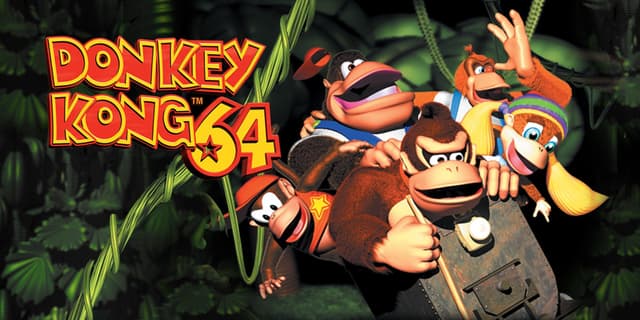
"Donkey Kong 64" (1999) marked the character's transition to 3D games. The game introduced new playable characters and expanded the story by including the quest for items called "Golden Bananas."
Posterior Period:

In the following years, the franchise continued with titles like "Donkey Konga," which introduced bongo drums as controllers. "Donkey Kong: Jungle Beat" (2004) was a platformer that used bongo drum controllers to control Donkey Kong. "Donkey Kong Country Returns" (2010) and its sequel "Donkey Kong: Tropical Freeze" (2014) revitalized the 2D platforming series.
Legacy and Impact:

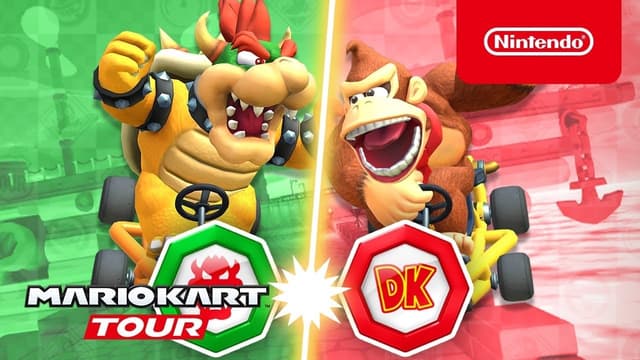
The Donkey Kong series has left a lasting mark on video game culture, especially during the 1980s and 1990s. Donkey Kong's evolution reflects Nintendo's ability to adapt to new technologies and trends in the video game industry. The character has appeared in games outside of its main series, such as the Mario Kart and Super Smash Bros. series.
Donkey Kong remains a beloved figure in the world of video games, with a rich history and a variety of games that have captured the imagination of multiple generations of players. Its legacy continues today through new releases and the nostalgia of those who enjoyed its early adventures in arcades.